
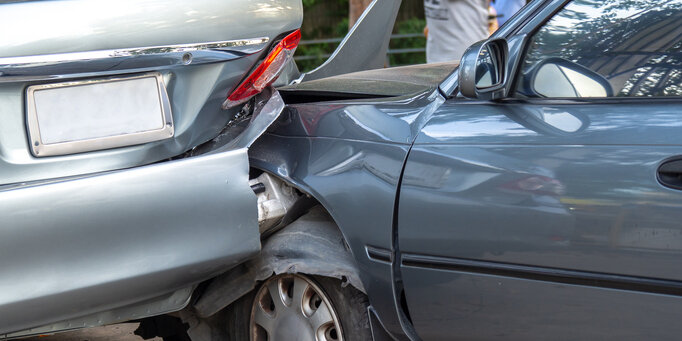
If you were injured in a car accident in Fairfax, Virginia, you can pursue compensation from the driver who caused the crash. Virginia requires clear proof of fault, which means your ability to recover depends on showing the other party was entirely responsible. You may seek payment for medical bills, lost income, damage to your vehicle, and the physical and emotional impact of the collision. Working with an experienced car accident attorney is the best way to protect your rights if you’ve been injured in a crash.
Why Choose Surovell Isaacs & Levy
Our firm has represented injured people in Fairfax and Northern Virginia for decades, and we use that experience to guide you through the legal and practical challenges that follow a crash. People work with us because we offer:
- Attorneys with respected peer-review ratings and recognition in state and national publications
- A long track record of handling complex fault disputes under Virginia’s contributory negligence rules]
- Careful case preparation supported by strong investigative resources
- Clear, steady communication so you know what is happening at each stage
- A litigation team ready for negotiation or trial, depending on what your case requires
When you become our client, we will work tirelessly to get you compensation that considers all your medical and financial needs, now and in the future. Contact us today to get started.
How Does Fault Work in a Virginia Car Accident Case?
Virginia follows contributory negligence, which means you must show that the other driver was entirely at fault for the crash. If you are found even slightly responsible, you may not recover compensation. This standard makes evidence collection, witness statements, and timely documentation especially important.
Fault is not determined by an insurance adjuster alone. Police reports and insurance findings are considered, but they do not control the outcome in court. We help you understand what evidence supports your claim and how the legal process evaluates fault under Virginia law.
How Do You Prove Fault in a Fairfax Car Accident Claim?
Some collisions have clear causes, such as rear-end impacts or violations of traffic signals. Others require more detailed investigation. Proving fault may involve:
- Photographs from the scene
- Vehicle damage analysis
- Witness interviews
- Cell phone records
- Accident reconstruction
- Testimony from treating physicians
We work to build a complete record that shows how the crash occurred and why you were not responsible.
What Types of Compensation Can You Recover?
After a car accident in Fairfax, you may recover several forms of compensation that reflect both the financial and personal impact of the crash. Virginia law allows claims for:
- Economic losses, such as medical treatment, future care needs, lost wages, reduced earning capacity, vehicle repair, and other out-of-pocket expenses
- Non-economic losses, which address physical pain, emotional distress, and changes to your daily life
- Punitive damages, available only in limited situations involving drunk driving or other egregious misconduct.
Let our legal team handle all the details of your claim so you can focus on healing.
What Is the Statute of Limitations for Car Accident Cases in Virginia?
Most personal injury claims must be filed within two years of the accident. Property damage claims generally have a five-year filing period. If a claim is not filed in time, the court will not allow it to proceed. These deadlines are strict, which is why early legal guidance is essential when injuries, treatment decisions, or insurance delays might affect timing.
Talk to a Fairfax Car Accident Attorney Today
If you were injured in a Fairfax car accident, trust Surovell Isaac & Levy to protect your rights and get you the maximum compensation you deserve. Contact us today to schedule a no-cost consultation.
Common Questions About Car Accidents
What should I bring to an initial consultation?
Bring photos of the scene, insurance information, medical records, repair estimates, and any correspondence you received from insurers.
Can I still bring a claim if the other driver left the scene?
Yes. Hit-and-run cases may be covered by your uninsured motorist policy, which can provide compensation even when the at-fault driver cannot be identified.
Will my health insurance affect my recovery?
Health insurers may have reimbursement rights depending on your policy, but this varies by plan. We help you understand how these rules may affect your final recovery.
What if I were a passenger at the time of the crash?
Passengers can bring claims against the responsible driver, whether that driver was in the exact vehicle or another vehicle involved in the collision.